
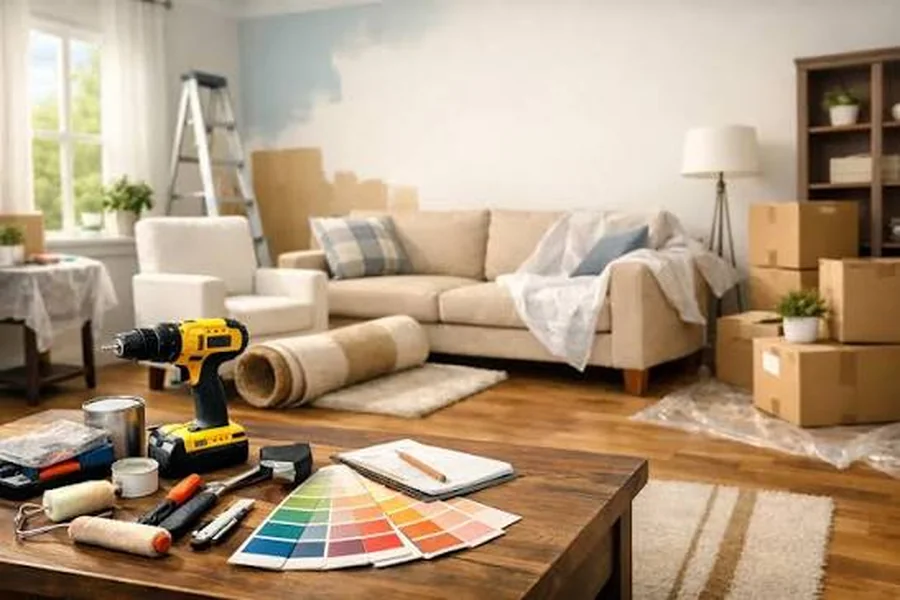
Home Improvement Project Planning: A Complete Guide
Improving your home can be an exciting way to create…
Improving your home can be an exciting way to create a more comfortable, functional, and attractive living space. However, successful renovations rarely happen by chance. Careful preparation, realistic budgeting, and thoughtful decision-making are essential for achieving the results you want. Home Improvement Project Planning provides a clear path from the first idea to the final result by helping homeowners organize every important detail before work begins.
A well-planned improvement project can reduce stress, prevent unexpected expenses, and make the entire process easier to manage. Whether you are updating a single room, adding new features, or completing a full home renovation, having a structured approach allows you to stay focused and make better choices along the way.
Why Proper Planning Makes Home Improvements Successful
Many homeowners begin renovation projects with excitement but without a clear strategy. They may choose materials too quickly, underestimate costs, or start work without considering how different tasks connect. These mistakes can lead to delays, budget problems, and frustration. A detailed plan creates a foundation that keeps the project organized from start to finish.
The first step is defining your goals. Consider what you want to improve and why the change matters. A kitchen upgrade may focus on better storage and easier cooking, while a bathroom renovation may aim to improve comfort and modernize outdated features. Understanding your purpose helps you make decisions that match your needs instead of following temporary trends.
It is also important to evaluate your current space. Measure rooms, identify problems, and think about how changes will affect daily routines. Small details, such as lighting placement, storage solutions, and room flow, can have a major impact on the final outcome. Taking time to analyze your home before starting work can save both money and effort later.
Planning also allows you to consider long-term value. Some improvements increase comfort and efficiency, while others may improve the appeal of your property if you decide to sell in the future. Choosing upgrades that balance personal enjoyment with practical benefits often leads to better results.
Key Steps for Organizing Your Home Improvement Project
A successful renovation begins with a step-by-step process. Breaking the project into smaller stages makes it easier to track progress and handle challenges.
Start by creating a detailed project outline. Write down your goals, preferred style, required changes, and expected timeline. This outline does not need to include every small detail immediately, but it should provide a clear direction. A good plan acts as a reference point whenever you need to make decisions.
Next, create a realistic budget. Include the cost of materials, labor, permits, tools, and possible unexpected expenses. Many renovation experts recommend setting aside extra funds because hidden issues can appear once construction begins. A damaged wall, outdated wiring, or plumbing concern may require additional work that was not visible at the beginning.
Researching materials and services is another important step. Compare different options based on quality, durability, maintenance needs, and price. The cheapest choice is not always the most cost-effective option if it requires frequent repairs or replacement. Selecting reliable products can improve the lifespan of your investment.
Creating a timeline helps you understand how long each stage may take. Consider the order of tasks carefully. For example, electrical work usually needs to happen before walls are closed, and painting often comes after major construction is complete. A logical schedule reduces confusion and keeps different parts of the project connected.
If professionals are involved, communication is essential. Discuss your expectations clearly and confirm important details before work begins. Good communication with contractors, designers, or specialists can prevent misunderstandings and help everyone work toward the same goal.
Managing Costs, Materials, and Unexpected Challenges
Budget management is one of the most important parts of any renovation. Even carefully prepared projects can face surprises, so flexibility is necessary. Tracking expenses throughout the process helps you understand where your money is going and prevents small costs from becoming major problems.
Before purchasing materials, create a priority list. Identify which improvements are essential and which features are optional. If your budget changes, you will know where adjustments can be made without affecting the main purpose of the project.
Material selection requires careful thought. Consider how often a space is used and choose options that fit your lifestyle. For example, busy households may benefit from durable flooring and easy-to-clean surfaces, while homeowners focused on appearance may prioritize specific design features.
Unexpected challenges are common in home improvements. Older homes may contain hidden issues that are only discovered after work begins. Instead of viewing these situations as failures, include preparation for possible changes in your original plan. Having a backup budget and extra time available can make these situations easier to handle.
Another useful strategy is avoiding unnecessary changes during construction. Changing your mind repeatedly after work starts can increase expenses and extend the timeline. Reviewing your decisions carefully before beginning helps keep the project stable.
Creating a Practical Plan for Long-Term Results
A home improvement project should not only look good when completed but should also serve your needs for years. Thinking about future use can help you create a space that remains valuable and comfortable over time.
Energy efficiency is one area worth considering. Improvements such as better insulation, efficient appliances, and modern lighting can reduce ongoing costs while making your home more comfortable. These choices may require a larger investment initially but can provide benefits over many years.
Maintenance should also influence your decisions. Some designs require regular care, while others are easier to maintain. Choosing solutions that match the amount of time and effort you want to spend on upkeep can make your home more enjoyable.
Functionality is just as important as appearance. A beautiful space that does not work well for your daily activities may become frustrating. Think about storage, movement, accessibility, and how different areas of your home connect with each other.
Keeping records throughout the project is another helpful habit. Save receipts, warranties, design notes, and information about materials used. These details can be valuable for future repairs or upgrades.
FAQs
What is the first step in home improvement project planning?
The first step is identifying your goals and understanding what you want to achieve with the project. This helps guide your budget, design choices, and timeline.
How can I create a realistic renovation budget?
You can create a realistic budget by estimating material and labor costs, including permit expenses, and setting aside additional funds for unexpected issues.
Should I hire professionals for a home improvement project?
Hiring professionals can be beneficial for complex work involving construction, electrical systems, plumbing, or structural changes. The right experts can improve safety and quality.
How long should a home improvement project take?
The timeline depends on the size and complexity of the project. A small update may take a few weeks, while larger renovations can require several months.
How can I avoid common renovation mistakes?
You can avoid mistakes by planning carefully, researching materials, communicating clearly with professionals, and avoiding major changes after work begins.
Is it important to consider future home value during renovations?
Considering future value can be helpful because some improvements may increase comfort while also making your property more appealing to potential buyers.
Final Thought
A successful home renovation starts with preparation rather than rushing into action. Careful organization, realistic budgeting, and thoughtful choices can turn a challenging improvement project into a rewarding experience. By creating a clear plan before work begins, homeowners can achieve better results, avoid unnecessary stress, and build spaces that support their lifestyle for years to come.