
Body Type Calculator | Find Your Body Shape from Your Measurements
Wondering what your body shape is? Use our free Body Type Calculator to identify your body type, body shape, and proportions in seconds. Simply enter your bust, waist, high hip, and hip measurements (plus shoulder width for men) to get an instant result.
The calculator works for both women and men, supports inches and centimeters, and identifies body shapes such as hourglass, pear, apple, rectangle, spoon, triangle, and inverted triangle. Results are based on your body measurements rather than quizzes, and it also calculates your waist-to-hip ratio (WHR) for additional insight into your body proportions.
What Is My Body Shape Calculator
Enter your measurements below, then calculate your body shape.
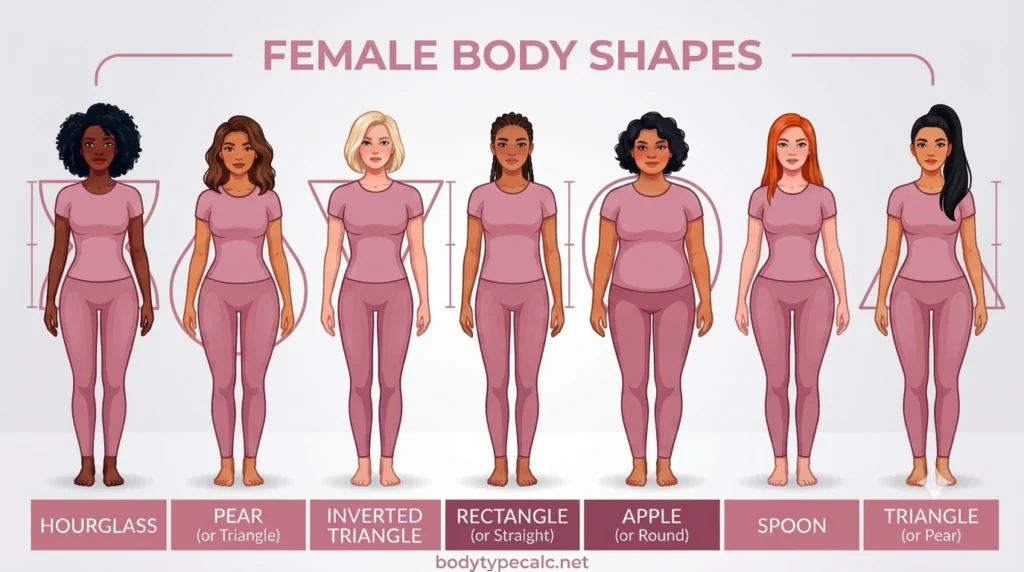
What Is a Body Type Calculator
A body type calculator, also known as a body shape calculator or figure calculator, is a free tool that estimates your natural silhouette using the ratio between your body measurements. It does not measure weight, body fat percentage, or fitness level. Instead, it measures your body proportions by comparing your bust or shoulders with your waist and hips.
The result is a body shape, not a judgment. Two people can wear the same dress size and still fall into completely different shape categories because shape depends on body proportions, not overall size. That is why the same outfit can look different on two people wearing the exact same clothing size.
Why Use This Tool
The Most Accurate Free Body Shape Calculator Online
There are plenty of body shape calculators online, but not all of them deliver accurate results. Here’s what makes this calculator different.
How to Measure Your Body Correctly
Accurate measurements are the most important part of getting the correct body shape result. Use a soft, flexible tape measure instead of a metal one, wear light or fitted clothing, and stand naturally with your feet together and your arms relaxed at your sides. Keep the tape level without pulling it too tight, and avoid holding your breath while measuring.
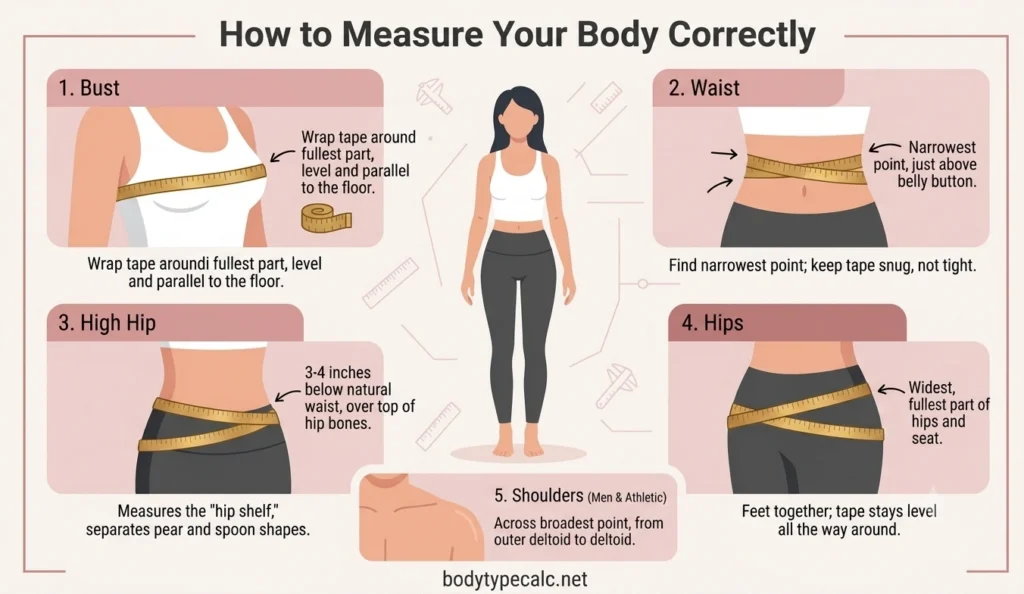
How to Measure Bust or Chest
Wrap the tape around the fullest part of your bust or chest, making sure it stays level and parallel to the floor. Women should measure over a well-fitted, non-padded bra for the most accurate result.
How to Measure Waist
Measure around the narrowest part of your natural waist, usually just above the belly button and below the rib cage. If you’re unsure where it is, bend slightly to one side. The crease that forms marks your natural waistline. Keep the tape snug but not tight.
How to Measure High Hip
Measure around your high hip, about 3–4 inches (7.5–10 cm) below your natural waist and across the top of your hip bones. This measurement helps distinguish similar body shapes, such as pear and spoon, for a more accurate result.
How to Measure Hips
Wrap the tape around the fullest part of your hips and buttocks while keeping your feet together. Make sure the tape stays level all the way around your body.
How to Measure Shoulders for Men and Athletic Frames
Measure across the widest part of your shoulders, from the outer edge of one shoulder to the other. If measuring shoulder width is difficult, you can use your chest measurement as an alternative. This helps identify male body shapes such as trapezoid and inverted triangle more accurately.
The 7 Main Body Shapes for Women
Everybody is unique, but most people fall into one of these common body shape categories based on their body proportions. Learn the key characteristics of each shape below.



Rectangle Body Shape (Straight)
Bust, waist, and hips are all close in measurement, with minimal waist definition. This is statistically the most common body shape. A 2005 study by North Carolina State University found that nearly 46% of more than 6,000 women had a rectangle body shape.
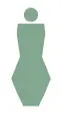
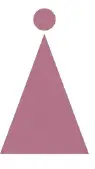
Male Body Types
Male body type calculators use shoulder or chest measurements instead of bust measurements because male body shape is determined more by upper-body frame than bust proportions.
Trapezoid
Shoulders are visibly broader than the waist, with a balanced lower body. This is the classic athletic shape, and tailored, fitted basics work well on this frame.
Rectangle
Shoulders, waist, and hips sit close in measurement, creating an even line from top to bottom. Layering and textured fabric add visual shape.
Oval
More fullness sits through the midsection compared to the shoulders and hips. Clean vertical lines and structured layers help lengthen the silhouette.
Triangle
Hips or the lower body read broader than the shoulders. Adding structure through the shoulders with jackets or structured collars helps balance the frame.
Inverted Triangle
Shoulders are clearly wider than the hips. Softer tailoring on top and fuller-cut trousers below helps even out the proportions.
Body Type vs Body Shape vs Somatotype
These three terms are often used interchangeably, but they describe different aspects of your body. Body shape refers to your visible silhouette, the outline created by the ratio of bust or shoulders, waist, and hips. This is what a body shape calculator measures.
Waist to Hip Ratio (WHR) and What It Means for Health
The Waist-to-Hip Ratio (WHR) measures how body fat is distributed by comparing your waist measurement with your hip measurement. If you want to calculate your ratio instantly, try our Waist to Hip Ratio Calculator.
Formula
WHR = Waist Circumference ÷ Hip Circumference
Example:
- Waist = 30 in
- Hips = 40 in
WHR = 30 ÷ 40 = 0.75
What Your WHR Means
According to the World Health Organization (WHO):
- Women: WHR above 0.85 may indicate a higher health risk.
- Men: WHR above 0.90 may indicate a higher health risk.
A higher WHR is associated with an increased risk of heart disease, type 2 diabetes, and high blood pressure because it reflects more abdominal fat.
A body type calculator helps you understand your natural proportions for clothing and styling, while WHR is used to assess fat distribution and potential health risk. Although useful, it should not replace professional medical advice.
How Body Shape Categories Are Calculated
Most measurement-based calculators classify your body shape by comparing your bust, waist, high hip, and hip measurements. The simplified rules below show how these categories are generally determined.
| Body Shape | General Rule of Thumb |
| Hourglass | Bust and hips within about 1 inch, waist at least 9 inches smaller than both |
| Top Hourglass | Bust larger than hips by up to 10 inches, waist still well defined |
| Bottom Hourglass | Hips larger than bust by up to 10 inches, waist well defined |
| Pear | Hips at least 3.6 inches bigger than bust, waist moderately defined |
| Triangle | Hips significantly bigger than bust, a more pronounced version of pear |
| Spoon | Hips notably bigger than bust, high hip clearly wider than waist |
| Apple | Waist close to or larger than bust and hip measurements |
| Rectangle | Bust, waist, and hips all within a few inches of each other |
| Inverted Triangle | Bust at least 3.6 inches bigger than hips |
These are general guidelines rather than strict rules. Real bodies rarely fit perfectly into a single category, and measurements near a cutoff may reasonably match two neighboring shapes.
How Accurate Is a Body Type Calculator
A measurement-based body type calculator is generally more accurate than a style quiz because it uses actual body measurements instead of personal opinion. However, accuracy still depends on a few important factors.
No calculator can classify every body perfectly. Use your result as a helpful guide for clothing fit and styling rather than a permanent label.
Styling Tips for Every Body Shape
Knowing your body shape makes it easier to choose flattering styles, while accurate measurements help you find the right fit. You can also use our Dress Size Calculator to estimate your clothing size more accurately.
Frequently Asked Questions
Find answers to the most common questions about body shape, body type, body measurements, and how this calculator works.
Conclusion
A body type calculator helps you understand your natural proportions using a few simple body measurements. Whether you’re shopping for better-fitting clothes, improving your personal style, or learning more about your figure, it provides a quick and practical starting point. Measure carefully, use the same unit throughout, and remember that your result is a guide to your proportions, not a permanent label. For more specific measurements, try our Waist to Hip Ratio Calculator, Dress Size Calculator, or Body Fat Calculator for a complete picture of your body proportions.