
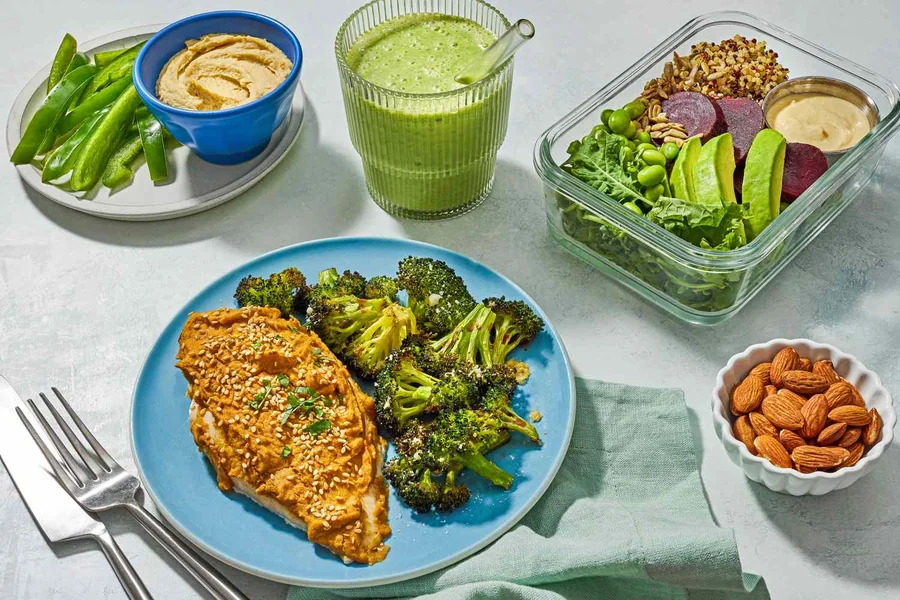
Healthy Meal Planning Ideas for Everyday Nutrition
Introduction Eating nutritious meals regularly can support energy levels, improve…
Introduction
Eating nutritious meals regularly can support energy levels, improve overall health, and make everyday life more manageable. However, busy schedules, limited preparation time, and last-minute food choices can make healthy eating difficult. Planning meals ahead offers a practical way to overcome these challenges. These Healthy Meal Planning Ideas can help you organize your weekly menu, choose nutritious ingredients, and prepare meals that suit your lifestyle and budget. A good meal plan does not need to be complicated or restrictive. It simply involves making thoughtful food choices and preparing for the days ahead. By including different food groups, using seasonal ingredients, and keeping convenient options available, you can create a routine that supports balanced nutrition. Whether you cook for yourself or your family, a little preparation can make healthier eating easier, more affordable, and more consistent.
Create a Balanced Weekly Meal Plan
A successful meal plan begins with balance and variety. Instead of preparing the same dishes every day, include different foods that provide essential nutrients. A balanced meal generally contains vegetables or fruits, a source of protein, whole grains or other carbohydrates, and a moderate amount of healthy fats. For example, lunch could include brown rice, grilled fish, mixed vegetables, and a small portion of salad. Dinner might feature lentils, whole-wheat flatbread, and cooked vegetables. When planning your weekly menu, consider your schedule and choose meals that match the time you have available. Prepare simple dishes for busy days and reserve more involved recipes for when you have extra time. It is also useful to plan breakfast, lunch, dinner, and snacks together so that you have suitable options throughout the day. A flexible menu makes it easier to adjust meals when plans change without abandoning healthy eating habits.
Prepare a Grocery List and Shop Smartly
Once your weekly menu is ready, create a grocery list based on the ingredients required for each meal. Organize the list into categories such as vegetables, fruits, grains, protein sources, dairy products, and pantry essentials. This approach makes shopping more efficient and reduces the likelihood of buying unnecessary items. Check your refrigerator and kitchen cupboards before visiting the store so you can use ingredients you already have. Choose seasonal fruits and vegetables because they may offer better value and freshness. Frozen vegetables and fruits can also be convenient, particularly when fresh options are unavailable or difficult to store. Compare product labels when purchasing packaged foods and pay attention to added sugar, sodium, and saturated fat. Buying versatile ingredients is another useful strategy. Eggs, beans, lentils, rice, oats, and vegetables can be combined in several ways, helping you prepare different meals without purchasing an entirely new set of ingredients each day.
Use Meal Prep to Save Time During the Week
Meal preparation can make healthy eating easier when daily responsibilities leave little time for cooking. Set aside a few hours once or twice a week to wash vegetables, cook grains, prepare protein sources, and portion ingredients into suitable containers. For example, cooked lentils, roasted vegetables, boiled eggs, and prepared rice can become the foundation for several quick meals. You can combine them differently throughout the week to avoid eating identical dishes repeatedly. Prepare overnight oats or portion fruit and nuts for convenient breakfasts and snacks. Store prepared food in clean, covered containers and refrigerate or freeze it promptly according to food safety guidance. Keep raw and cooked ingredients separate to reduce the risk of contamination. Remember that not every meal needs to be fully prepared in advance. Even washing vegetables, measuring ingredients, or preparing a simple sauce can reduce cooking time. A realistic preparation routine should make life easier rather than create additional pressure.
Choose Affordable and Nutritious Ingredients
Healthy meal planning does not require expensive ingredients or complicated recipes. Many affordable foods provide valuable nutrients and can be used in different dishes. Lentils, chickpeas, beans, eggs, seasonal vegetables, oats, and whole grains are practical options for building balanced meals. Buying larger packages of frequently used pantry items may also reduce costs when you have enough storage space and can use them before their quality declines. Planning meals around ingredients that are already available helps prevent unnecessary spending. Another useful approach is to cook larger portions of suitable dishes and freeze individual servings for later use. Homemade soups, vegetable curries, and bean-based meals can be prepared economically while offering variety. Try to reduce food waste by using leftover vegetables in omelets, soups, or stir-fries. You can also freeze ripe fruit for smoothies or use it in breakfast dishes. Careful shopping and flexible recipes can make nutritious eating more affordable over time.
Final Thought
Healthy meal planning is a practical habit that can improve the way you shop, cook, and eat. By creating a balanced weekly menu, preparing a grocery list, organizing ingredients, and making simple meals in advance, you can reduce daily stress and make nutritious choices more convenient. The best plan is one that matches your personal preferences, budget, cooking skills, and schedule. You do not need to prepare every meal perfectly or follow a strict menu. Start with a few days of planning and gradually develop a routine that works for you. Use seasonal ingredients, include a variety of food groups, and allow room for flexibility. If you have specific nutritional needs or a medical condition, consider consulting a registered dietitian or qualified healthcare professional for personalized guidance. With consistent preparation and realistic choices, healthy eating can become a natural part of everyday life.
FAQs
What is healthy meal planning?
Healthy meal planning involves organizing meals in advance to include a variety of nutritious foods while considering personal preferences, schedules, and budgets.
How many days ahead should I plan my meals?
Planning meals for three to seven days can be practical, depending on your schedule, food storage space, and shopping routine.
What foods should I include in a balanced meal?
A balanced meal can include vegetables, fruits, whole grains, protein-rich foods, and healthy fats in suitable portions.
Can meal planning help save money?
Yes, planning meals and preparing a grocery list can reduce unnecessary purchases, limit food waste, and help you use ingredients more efficiently.
How can I make meal preparation easier?
Wash and cut vegetables, cook basic ingredients in advance, portion meals into containers, and choose simple recipes that require limited preparation.
How long can prepared meals stay in the refrigerator?
Many cooked leftovers can be refrigerated safely for three to four days when stored promptly in covered containers at an appropriate temperature.
Can healthy meal planning work for a busy lifestyle?
Yes, preparing ingredients in advance, choosing quick recipes, and keeping nutritious convenience foods available can make balanced eating easier during busy weeks.