
Smart Home Improvement Solutions for Modern Living
Modern homes are changing quickly as technology becomes a bigger…
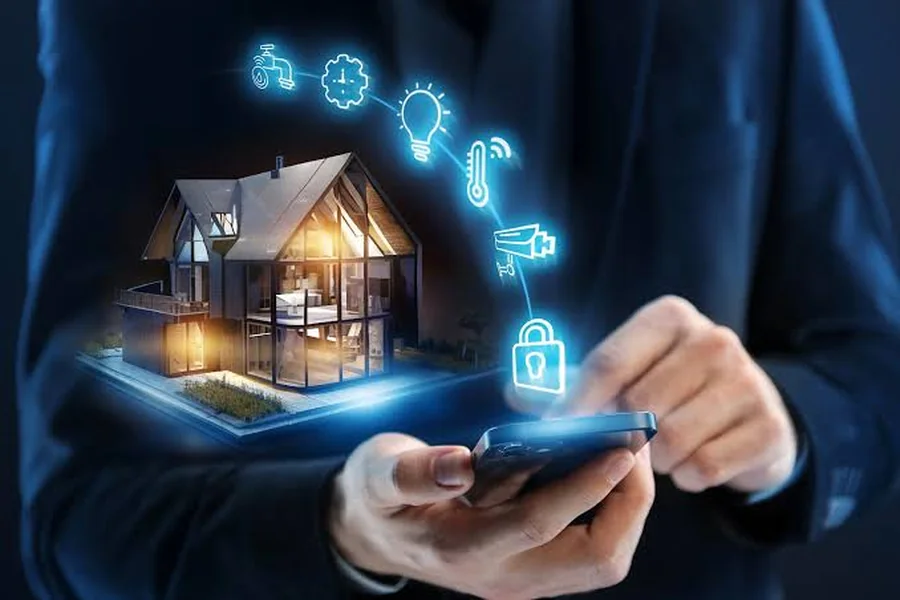
Modern homes are changing quickly as technology becomes a bigger part of everyday life. Homeowners are no longer focused only on attractive designs and new furniture; they are also looking for ways to make their spaces more comfortable, efficient, and easier to manage. Smart Home Improvement Solutions provide practical ways to upgrade living areas by combining modern technology with thoughtful home design.
The idea behind a smart home is simple: create an environment that responds to your needs. From automated lighting and energy-saving systems to advanced security features and connected appliances, smart upgrades can improve the way people interact with their homes. These improvements are not just about adding expensive gadgets. They are about creating a better living experience that saves time, reduces waste, and adds convenience.
Technology has become more accessible, allowing homeowners with different budgets to make meaningful improvements. Whether you are renovating an entire property or making small updates, smart solutions can help you build a home that fits your lifestyle. With careful planning, these upgrades can increase comfort today while also adding long-term value to your property.
Benefits of Smart Home Upgrades
One of the biggest advantages of smart home upgrades is improved convenience. Traditional household tasks often require manual effort, but connected devices can automate many daily activities. Smart lighting systems can adjust brightness based on the time of day, smart thermostats can maintain comfortable temperatures, and automated window systems can help control natural light. These features allow homeowners to enjoy a smoother and more personalized routine.
Energy efficiency is another major benefit. Many modern smart devices are designed to monitor and reduce energy consumption. Smart thermostats can learn household patterns and adjust heating or cooling when rooms are empty. Smart plugs and energy monitors can identify devices that use unnecessary power. Over time, these improvements may help reduce energy costs while supporting more sustainable living habits.
Security is also a key reason many people invest in connected home technology. Smart cameras, video doorbells, motion sensors, and automated locks provide homeowners with better control over their property. These tools allow people to monitor activity remotely and receive alerts when unusual events occur. This added awareness can provide greater confidence whether residents are at home or away.
Smart upgrades can also support accessibility and comfort for different household needs. Voice-controlled devices, automated systems, and easy-to-use interfaces can make everyday tasks simpler for older adults or people with mobility challenges. A well-designed smart home focuses on making life easier for everyone who lives there.
Key Areas for Smart Home Improvement Solutions
Lighting is one of the easiest places to begin a smart home transformation. Smart bulbs and connected lighting systems allow users to control brightness, colors, and schedules through mobile apps or voice commands. Instead of leaving lights on throughout the day, homeowners can create automatic routines that match their habits. Lighting improvements can also create different moods for work, relaxation, or entertainment.
Heating, cooling, and ventilation systems are another important area for improvement. Smart climate controls help maintain comfortable indoor conditions while avoiding unnecessary energy use. These systems can adjust settings automatically and provide information about usage patterns. A more efficient climate system can make a home more comfortable while reducing environmental impact.
Kitchen improvements are becoming increasingly popular as appliances become more connected. Smart refrigerators can track food storage, smart ovens can provide remote controls, and connected coffee makers can prepare drinks based on scheduled routines. These features are designed to save time and make household activities more organized.
Home entertainment systems have also evolved through smart technology. Connected televisions, speakers, and streaming devices allow homeowners to create customized entertainment spaces. With integrated controls, people can manage music, movies, and other media from a single device. These improvements can make living spaces more enjoyable without creating complicated setups.
Outdoor areas can benefit from smart improvements as well. Automated garden watering systems, smart outdoor lighting, and security sensors can improve both appearance and functionality. These upgrades help homeowners maintain outdoor spaces more efficiently while adding convenience to daily routines.
Practical Ways to Create a Smarter Home
Before adding smart technology, homeowners should consider their goals and priorities. Not every available device is necessary for every household. A good improvement plan begins by identifying problems that need solutions. For example, someone who frequently forgets to turn off lights may benefit from automated lighting, while someone concerned about safety may prioritize security devices.
Starting with simple upgrades is often the best approach. Smart bulbs, voice assistants, and connected plugs can introduce homeowners to smart technology without requiring major changes. These smaller improvements can provide valuable experience before investing in larger systems.
Compatibility should also be considered when choosing smart devices. Different products may use different platforms, so selecting devices that work together can prevent future difficulties. A connected home works best when systems communicate smoothly and can be managed easily.
Professional installation may be helpful for larger projects. Smart security systems, electrical upgrades, and advanced climate controls often require technical knowledge. Proper installation ensures that devices work correctly and safely. However, many smaller products are designed for homeowners who prefer simple do-it-yourself improvements.
Budget planning is another important factor. Smart home projects do not need to happen all at once. Homeowners can create a step-by-step improvement plan and gradually add new features over time. Prioritizing upgrades that offer the greatest value can help achieve better results without unnecessary spending.
Privacy and security should always be part of the decision-making process. Connected devices collect and share information to provide their features, so homeowners should review settings, use strong passwords, and keep software updated. Responsible use of technology helps protect personal information while enjoying the benefits of a smarter home.
FAQs
What are Smart Home Improvement Solutions?
Smart Home Improvement Solutions are technology-based upgrades that improve comfort, efficiency, security, and convenience by connecting household systems and devices.
Are smart home upgrades expensive?
Smart home upgrades can range from affordable devices like smart bulbs and plugs to larger investments such as automated security and climate systems, allowing homeowners to choose options that match their budgets.
Can smart home technology save energy?
Yes, many smart devices help reduce energy use by monitoring consumption, automating settings, and preventing unnecessary operation of household systems.
Do smart home devices work without professional installation?
Many smart home products are designed for simple installation, but larger systems involving electrical work, security setups, or complex integrations may require professional assistance.
How can I start improving my home with smart technology?
A good starting point is choosing one area that needs improvement, such as lighting, security, or energy management, and adding compatible devices gradually.
Are smart homes secure?
Smart homes can be secure when homeowners use strong passwords, update device software regularly, and choose reliable products with proper security features.
Do smart home improvements increase property value?
Smart improvements may increase a home’s appeal by adding modern features, improving efficiency, and making the property more attractive to potential buyers.
Final Thought
Smart home technology is changing the way people think about home improvement. Instead of focusing only on appearance, homeowners can now create spaces that actively support comfort, efficiency, and daily routines. Smart Home Improvement Solutions offer flexible options for anyone who wants to make their home more connected and practical.
The best smart upgrades are those that solve real household needs. By planning carefully, choosing suitable technology, and making improvements step by step, homeowners can create a living space that feels modern without becoming complicated. As technology continues to advance, smart home improvements will remain an important part of creating comfortable, efficient, and future-ready homes.
2 Comments