
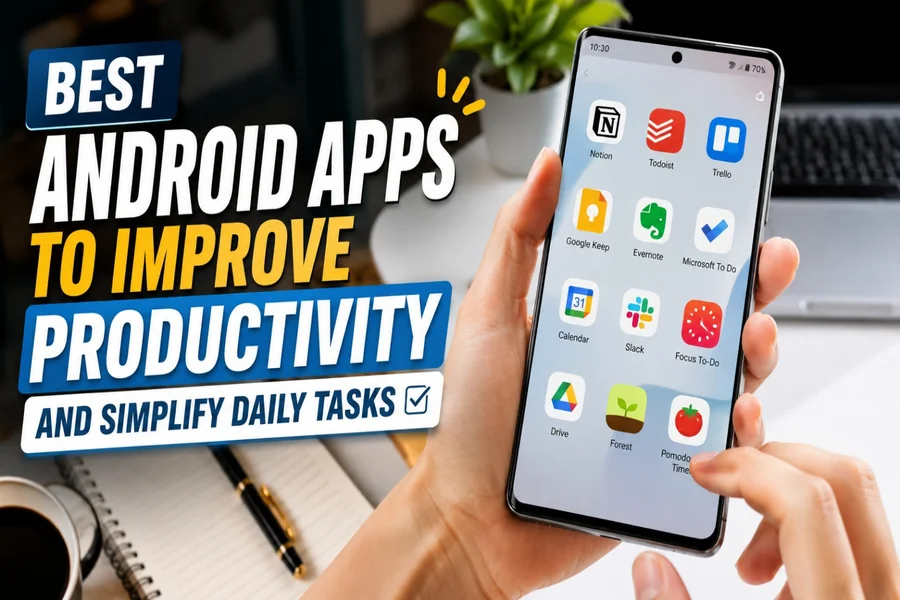
Best Productivity Apps Today for Smarter Daily Work
Modern life often involves managing multiple responsibilities at the same…
Modern life often involves managing multiple responsibilities at the same time. People need to organize tasks, attend meetings, communicate with others, manage files, and complete work within limited hours. The Best Productivity Apps Today can help users bring these activities together and create a more organized digital routine.
Productivity applications are no longer limited to simple to-do lists. Modern tools can support project management, note-taking, time tracking, team communication, document sharing, calendar planning, and automation. Many applications also use artificial intelligence to help users organize information and complete repetitive tasks more efficiently.
The right productivity tool depends on individual needs. A student may need a simple task manager while a business team may require a complete project management platform. Freelancers may prefer tools that combine time tracking and client communication while busy professionals may focus on calendars and note-taking.
Choosing the right software can make daily work easier. However, productivity does not come from downloading dozens of applications. The best results usually come from selecting a small number of useful tools and using them consistently.
Task Management Apps Help Organize Daily Responsibilities
Task management applications are among the most popular productivity tools. They allow users to create to-do lists, set deadlines, organize projects, and track progress.
A well-designed task manager can help people remember important responsibilities and reduce the stress of trying to keep everything in their memory. Users can organize tasks by priority and separate personal responsibilities from professional projects.
Many task applications also support reminders and recurring tasks. This can be useful for regular activities such as weekly meetings, monthly payments, or routine work.
For teams, task management tools can make responsibilities clearer. Team members can see who is working on a project and monitor progress. This can reduce confusion and improve collaboration.
The most effective task manager is often the one that users enjoy using. A complicated system may offer many features but can become difficult to maintain. Simple tools can be just as useful when they match a person’s workflow.
Calendar and Scheduling Tools Improve Time Management
Time management is another important part of productivity. Calendar applications help users organize meetings, appointments, deadlines, and personal activities.
A digital calendar can provide a clear view of the day, week, or month. Users can schedule important events and set reminders to avoid missing appointments.
Modern scheduling tools can also help people find suitable meeting times. This is particularly useful for teams that work across different locations and time zones.
Calendar applications can be combined with task management tools. When users can see both scheduled events and important tasks, it becomes easier to plan realistic workloads.
Time blocking is another useful method supported by digital calendars. Users can reserve specific periods for focused work, meetings, exercise, or personal activities.
However, a calendar should not become overloaded. Leaving some flexibility can help people manage unexpected tasks and changes during the day.
Note-Taking Apps Keep Information Organized
People receive and create large amounts of information every day. Note-taking applications can help users store ideas, meeting notes, research, lists, and important information in one place.
Modern note tools often support text, images, voice recordings, files, and links. This makes them useful for students, professionals, writers, and business owners.
Cloud synchronization allows users to access notes from multiple devices. A person can write something on a computer and later review it on a smartphone or tablet.
Search features are also important. Instead of manually looking through notebooks or folders, users can search for specific words or topics.
Some modern note-taking tools include artificial intelligence features. AI may help summarize notes, organize information, or find important details.
The best note-taking system is one that makes information easy to find later. Organizing notes with clear categories and simple naming systems can improve long-term productivity.
Team Collaboration Apps Support Remote Work
The modern workplace increasingly depends on digital collaboration. Team communication and project management applications help people work together even when they are not in the same location.
Collaboration platforms can support messaging, file sharing, video meetings, document editing, and project discussions. These features can reduce the need for long email conversations.
Shared documents allow multiple people to work on the same project. Team members can provide feedback and make changes without creating multiple versions of the same file.
Project collaboration tools can also improve transparency. Managers and team members can track progress and identify problems earlier.
However, too many communication channels can create distractions. Businesses should establish clear rules about which tools should be used for different types of communication.
The goal of collaboration technology should be to make teamwork easier rather than create constant notifications.
AI-Powered Productivity Tools Are Growing
Artificial intelligence is becoming a major part of modern productivity software. AI tools can help users write content, summarize documents, organize information, and automate repetitive tasks.
Professionals may use AI to create drafts, prepare meeting summaries, or analyze information. Students can use intelligent tools to organize research and understand difficult topics.
AI can also help with email management. Some tools can summarize long messages or suggest responses.
Automation is another important benefit. Users can create workflows that connect different applications and automatically perform certain actions.
For example, information from a form could be added to a spreadsheet while a notification is sent to the appropriate team member. These workflows can save time and reduce repetitive manual work.
AI tools should still be used responsibly. Users should review generated information and avoid sharing sensitive data with services that do not provide appropriate privacy protections.
Time Tracking and Focus Tools Improve Concentration
Many people struggle with distractions and difficulty maintaining focus. Time tracking and focus applications can help users understand how they spend their working hours.
Time tracking tools can show how much time is spent on different projects and activities. This information can help freelancers manage client work and help businesses understand project costs.
Focus applications may use timers, task lists, or distraction-blocking features. These tools can encourage users to work for specific periods followed by short breaks.
Digital wellbeing features can also help users monitor screen time and reduce unnecessary application usage.
Productivity tools should support healthy work habits rather than encourage people to work constantly. Regular breaks and realistic schedules are important for maintaining energy and concentration.
Final Thought
The Best Productivity Apps Today can help people organize tasks, manage time, take notes, communicate with teams, and complete work more efficiently. Modern applications offer a wide range of features and many now use artificial intelligence to provide additional support.
However, the number of applications a person uses does not automatically determine productivity. The most effective approach is to choose tools that solve real problems and fit naturally into daily routines.
A simple task manager, reliable calendar, useful note-taking system, and focused communication platform may be enough for many users. Businesses may need additional project management and automation tools.
The best productivity system is one that helps users spend less time managing tools and more time completing meaningful work. With the right combination of technology and consistent habits, digital applications can make daily responsibilities more organized and manageable.
FAQs
What are the Best Productivity Apps Today?
The best productivity apps depend on individual needs and may include task managers, calendars, note-taking tools, collaboration platforms, time trackers, and AI-powered applications.
How can productivity apps improve daily work?
Productivity apps can help users organize tasks, manage schedules, track progress, reduce repetitive work, and keep important information in one place.
Are AI productivity tools useful?
AI productivity tools can help with writing, summarizing, organization, research, automation, and other tasks when used carefully and reviewed by the user.
How many productivity apps should a person use?
There is no fixed number, but using a small collection of well-chosen tools is often more effective than managing too many separate applications.
Can productivity apps help remote teams?
Yes, collaboration and project management applications can help remote teams communicate, share files, organize tasks, and track project progress.
What is the best productivity app for time management?
A calendar combined with a task management or time-tracking tool can help users organize schedules and manage their time more effectively.
How can users avoid distractions from productivity apps?
Users can limit unnecessary notifications, organize communication channels, use focus tools, and schedule specific times to check messages and updates.